


Advanced Mens Health Centre > Blog
CAN LOW TESTOSTERONE CAUSE ERECTILE DYSFUNCTION?
|
Erectile dysfunction (ED) is a common concern among men. It occurs when a man struggles to achieve or maintain an erection firm enough for sexual activity. Some men may wonder whether low testosterone is responsible for this problem.
Can low testosterone cause erectile dysfunction? Yes, it can contribute to erection difficulties. However, low testosterone is not the only possible cause. Blood circulation, diabetes, high blood pressure and other health conditions can also affect erectile function.
Understanding the connection between testosterone and ED can help men choose the right treatment. At Advanced Mens Health Centre, Dr. Devaa can help assess the possible causes and recommend suitable options based on individual needs.
How Does Testosterone Affect Erectile Dysfunction?
Testosterone is an important male hormone. It supports sex drive, muscle development, bone health and several aspects of reproductive function.
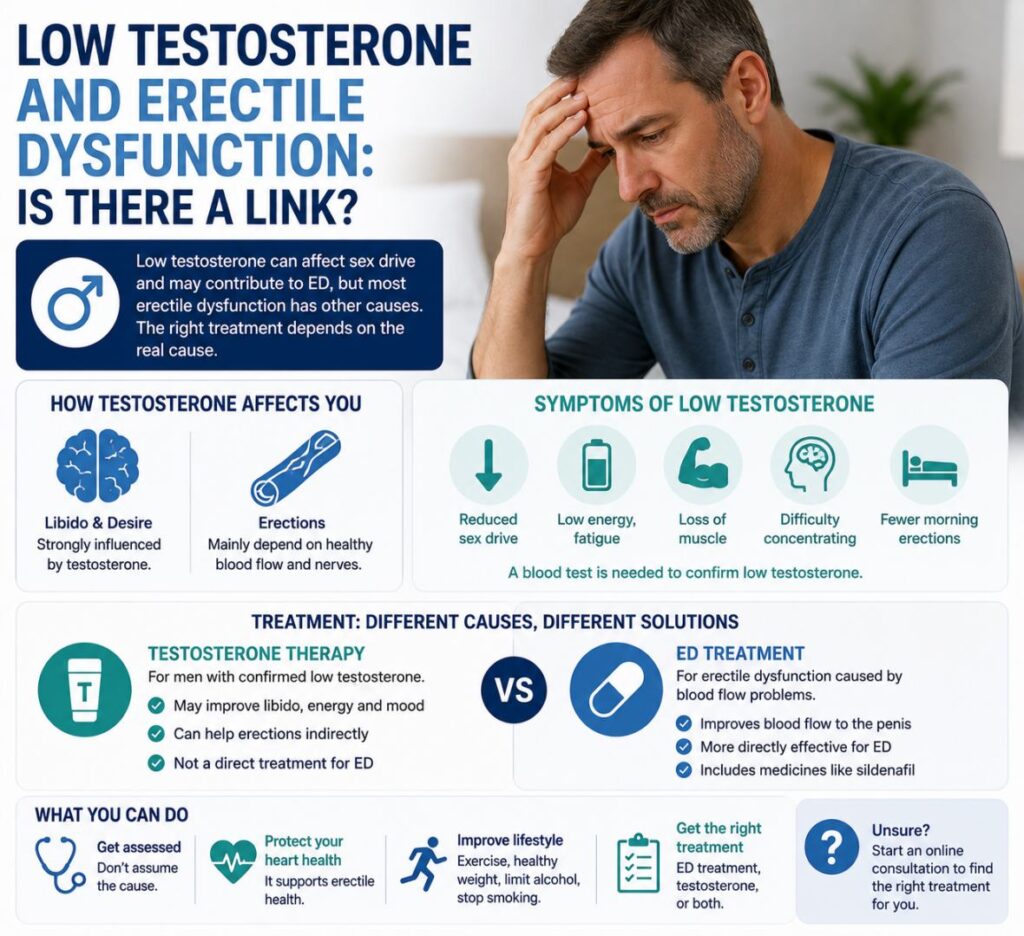
When testosterone levels fall below the normal range, some men experience a reduced interest in sexual activity. They may also notice fewer morning erections or changes in their overall energy levels.
However, testosterone does not control erections on its own. An erection depends largely on healthy blood vessels, proper blood flow and functioning nerves. Therefore, a man with low testosterone may still achieve normal erections, while another man with normal testosterone may experience ED.
This distinction is important because the correct treatment depends on the underlying cause.
Common Signs of Low Testosterone
Low testosterone, also known as male hypogonadism, can cause symptoms that affect everyday life.
Common signs include:
- Reduced sexual desire or libido.
- Persistent tiredness and low energy.
- Difficulty achieving or maintaining erections.
- Fewer spontaneous or morning erections.
- Reduced muscle mass and increased body fat.
- Low mood or difficulty concentrating.
These symptoms can also occur because of other medical conditions. Therefore, symptoms alone cannot confirm low testosterone.
A doctor may recommend blood tests to measure testosterone levels and determine whether further assessment is necessary.
What Causes Erectile Dysfunction?
Although low testosterone may contribute to ED, several other factors can affect a man’s ability to achieve an erection.
1. Poor blood circulation
An erection requires sufficient blood flow to the penis. Conditions such as cardiovascular disease and high blood pressure can interfere with this process.
2. Diabetes
High blood sugar can damage blood vessels and nerves over time. As a result, men with diabetes may have a higher risk of erectile difficulties.
3. Lifestyle factors
Smoking, excessive alcohol consumption, limited physical activity and excess body weight may affect erectile health.
4. Psychological factors
Stress, anxiety, relationship difficulties and performance concerns can also contribute to erection problems.
Since several factors may occur together, a proper medical assessment can help identify the most relevant causes.
What Are the Treatment Options?
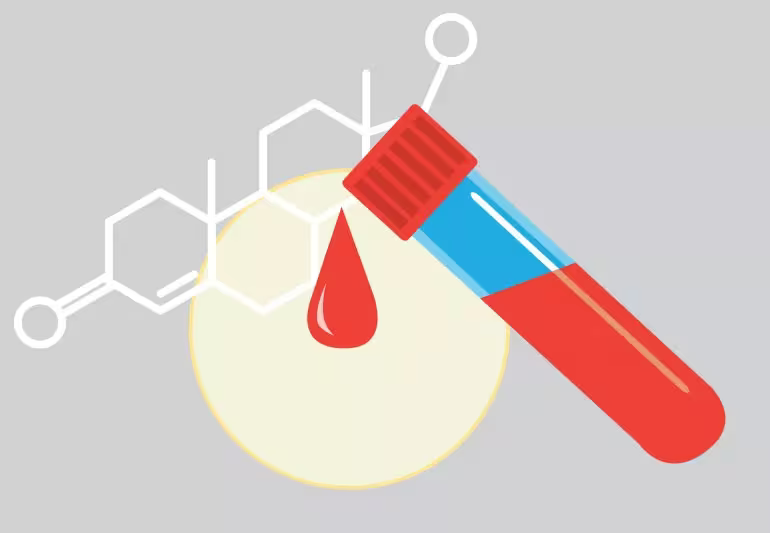
Treatment depends on whether low testosterone, another health condition or a combination of factors contributes to the problem.
Testosterone Replacement Therapy
Testosterone replacement therapy (TRT) may be suitable for men who have symptoms and consistently low testosterone levels confirmed through appropriate testing.
Treatment may improve sexual desire and other symptoms associated with testosterone deficiency. However, it does not reliably resolve erectile dysfunction when poor blood flow or another condition is the main cause.
TRT also requires medical supervision because it may cause side effects and affect fertility. Men who plan to have children should discuss this with their doctor before starting treatment.
Testosterone Replacement Therapy
Medicines such as sildenafil can help improve blood flow to the penis, making it easier to achieve and maintain an erection during sexual stimulation.
These medicines do not increase testosterone levels. A doctor should assess whether they are suitable, particularly for men taking nitrate medication or those with certain heart conditions.
Lifestyle Changes
Healthy habits can support both general health and erectile function. Consider the following steps:
- Exercise regularly.
- Maintain a healthy body weight.
- Eat a balanced diet.
- Stop smoking.
- Limit alcohol consumption.
- Manage stress and get sufficient sleep.
These changes may improve erectile health, especially when lifestyle-related risk factors contribute to the problem.
When Should You See a Doctor?
If you experience persistent erectile difficulties or a noticeable reduction in sexual desire, consider seeking medical advice. Do not assume that low testosterone is the cause without proper testing.
At Advanced Mens Health Centre, Dr. Devaa can assess your symptoms, review your medical history and advise whether testosterone testing or other investigations may be appropriate.
An accurate diagnosis helps you understand your condition and explore suitable treatment options.
When Should You See a Doctor?
Can low testosterone cause erectile dysfunction?
Yes. Low testosterone can contribute to erectile difficulties, particularly when sexual desire is also reduced. However, many cases of ED involve blood circulation, diabetes, medication effects or other health factors.
How can I tell if low testosterone is causing my ED?
Symptoms such as reduced libido, low energy and fewer morning erections may suggest testosterone deficiency. However, a blood test and medical assessment are necessary to determine whether low testosterone is present and whether it contributes to your symptoms.
Will testosterone treatment cure erectile dysfunction?
Not necessarily. Testosterone replacement therapy may help men with confirmed testosterone deficiency, but it may not resolve ED caused by poor blood flow, diabetes or other conditions. Some men may need a different treatment approach.
Can I increase testosterone naturally?
Regular exercise, adequate sleep, balanced nutrition and maintaining a healthy weight can support normal hormonal health. However, these measures may not correct testosterone deficiency caused by an underlying medical condition.
Is erectile dysfunction a sign of a serious health problem?
Sometimes. Persistent ED may be associated with diabetes, cardiovascular disease or other health conditions. A medical assessment can help identify potential causes and determine the next steps.
Conclusion
Low testosterone can contribute to erectile dysfunction, but it is rarely the only factor to consider. The problem may also involve blood circulation, underlying medical conditions, lifestyle habits or psychological factors.
The best approach is to identify the cause before choosing a treatment. If you are experiencing erection difficulties or reduced sexual desire, consult a qualified doctor for an appropriate assessment.
Contact Advanced Mens Health Centre to discuss your concerns with Dr. Devaa and explore suitable options for your needs.
Disclaimer: This article is for general educational purposes only and does not replace professional medical advice, diagnosis or treatment. Testosterone therapy should only be considered following appropriate medical assessment and confirmation of testosterone deficiency.
Contact us now to schedule a FREE CONSULTATION and embark on you own journey towards sexual renaissance.