


Blog > 7 SIGNS YOU MAY HAVE LOW TESTOSTERONE
7 SIGNS YOU MAY HAVE LOW TESTOSTERONE
|
Testosterone is the primary male sex hormone responsible for maintaining libido, muscle mass, bone strength, energy levels and overall well-being. Although testosterone levels naturally decline with age, some men experience a more significant drop that leads to noticeable symptoms and affects their quality of life.
Many men dismiss these symptoms as part of getting older or the result of a stressful lifestyle. However, persistent symptoms may indicate low testosterone, also known as male hypogonadism, a medical condition that can be diagnosed through proper clinical assessment and blood testing.
1. Reduced Sex Drive (Low Libido)
Many people assume that erectile dysfunction is caused solely by poor blood flow. However, in many cases, the issue is also linked to the condition of the smooth muscle tissue inside the penis.
As men age, or due to factors such as stress, diabetes, poor circulation, smoking, or hormonal changes, the penile smooth muscle may gradually lose flexibility and become chronically contracted. This may contribute to reduced blood flow, weaker erections, and the appearance of penile shrinkage or “turtling.”
Because of this, modern treatment approaches are increasingly focused on improving tissue quality and relaxing the smooth muscle rather than relying only on medication.
2. Difficulty Achieving or Maintaining an Erection
Although erectile dysfunction (ED) has many possible causes, including cardiovascular disease, diabetes and psychological stress, testosterone also contributes to normal erectile function.
Men with low testosterone may notice weaker erections, fewer spontaneous morning erections or increased difficulty maintaining an erection during sexual activity.
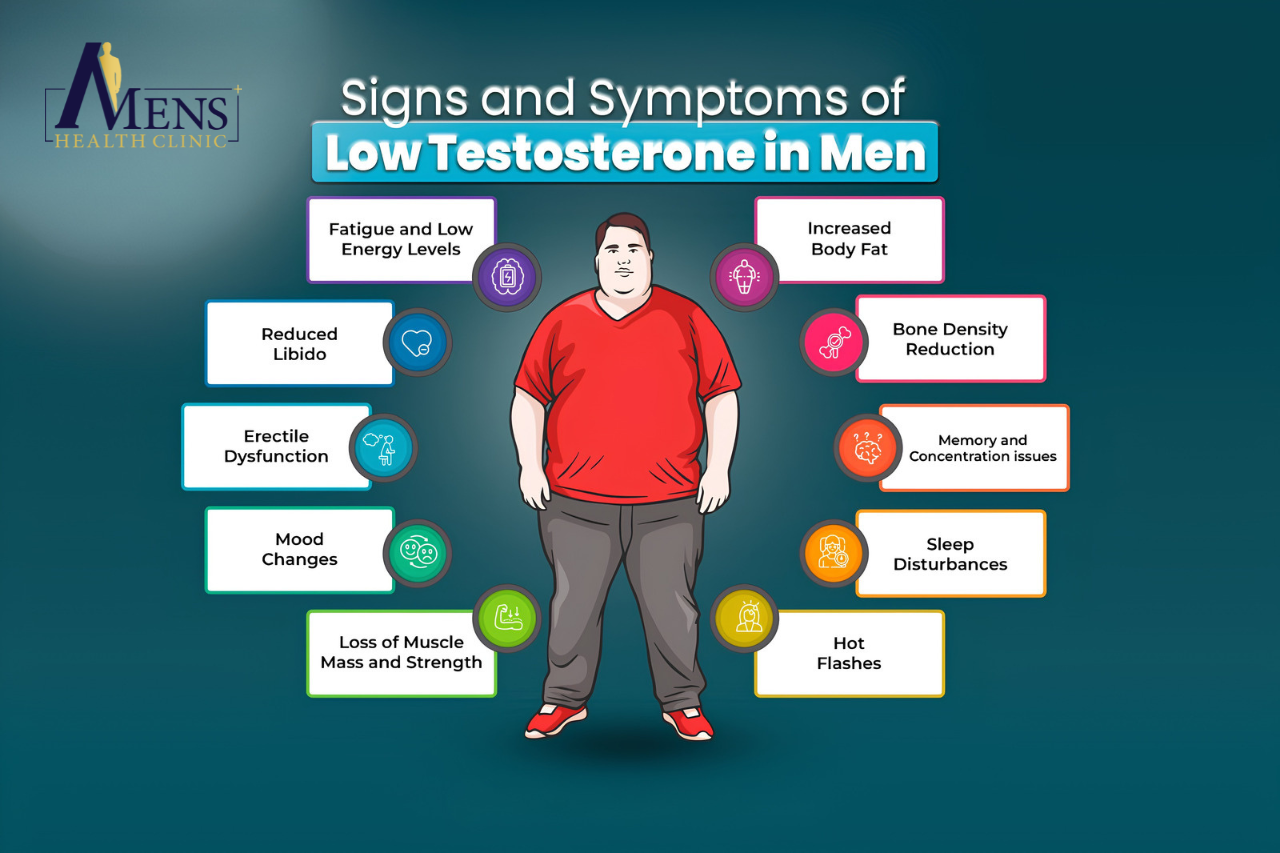
3. Persistent Fatigue and Low Energy
Feeling tired after a busy day is normal, but ongoing fatigue despite getting enough rest should not be ignored.
Low testosterone may reduce physical stamina and overall energy levels, making daily activities feel more exhausting than usual. Many men also report reduced motivation and decreased productivity at work or during exercise.
4. Loss of Muscle Mass and Increased Body Fat
Testosterone plays an important role in building and maintaining lean muscle.
When testosterone levels decline, men may experience reduced muscle strength and find it more difficult to maintain muscle mass despite regular exercise. At the same time, body fat—particularly around the abdomen—may increase more easily.
5. Mood Changes and Difficulty Concentrating
Hormonal changes can affect emotional well-being as much as physical health.
Low testosterone has been associated with mood swings, irritability, reduced self-confidence, difficulty concentrating and symptoms of depression in some men. These symptoms often develop gradually and may be mistaken for stress or burnout.
6. Reduced Body Hair Growth
A gradual reduction in facial or body hair may be another sign of low testosterone.
Because testosterone influences male secondary sexual characteristics, lower hormone levels can affect hair growth patterns over time. While genetics also play a role, noticeable changes should be evaluated by a healthcare professional.
7. Decreased Bone Strength
Many people associate osteoporosis with women, but men with long-term low testosterone are also at increased risk of reduced bone density.
Weaker bones increase the likelihood of fractures, especially later in life, making early diagnosis and treatment important for maintaining long-term health.
What Causes Low Testosterone?
Several factors may contribute to low testosterone, including:
- Age-related hormonal decline
- Obesity
- Type 2 diabetes
- Chronic illness
- Certain medications
- Injury to the testes
- Pituitary or hypothalamic disorders
- Excessive alcohol consumption and smoking
When Should You See a Doctor?
If you experience several of these symptoms for weeks or months, it is advisable to consult a men’s health specialist.
A doctor will typically review your medical history, perform a physical examination and recommend an early-morning blood test to measure testosterone levels. Because testosterone naturally fluctuates, repeat testing may be needed to confirm the diagnosis before treatment is considered.
Treatment Options for Low Testosterone
Treatment depends on the underlying cause and the severity of symptoms.
Your doctor may recommend:
- Lifestyle modifications, including weight management, regular exercise and better sleep
- Managing underlying medical conditions
- Testosterone Replacement Therapy (TRT) for men who have confirmed testosterone deficiency and appropriate clinical indications
Final Thoughts
Low testosterone is more than just a part of ageing. It can affect your physical health, emotional well-being and sexual function. Recognising the early warning signs and seeking timely medical advice can help identify the underlying cause and determine the most appropriate treatment plan.
If you have been experiencing persistent fatigue, reduced libido, erectile difficulties or unexplained muscle loss, consider speaking with a qualified men’s health specialist for a comprehensive evaluation.
Contact us now to schedule a FREE CONSULTATION and embark on you own journey towards sexual renaissance.